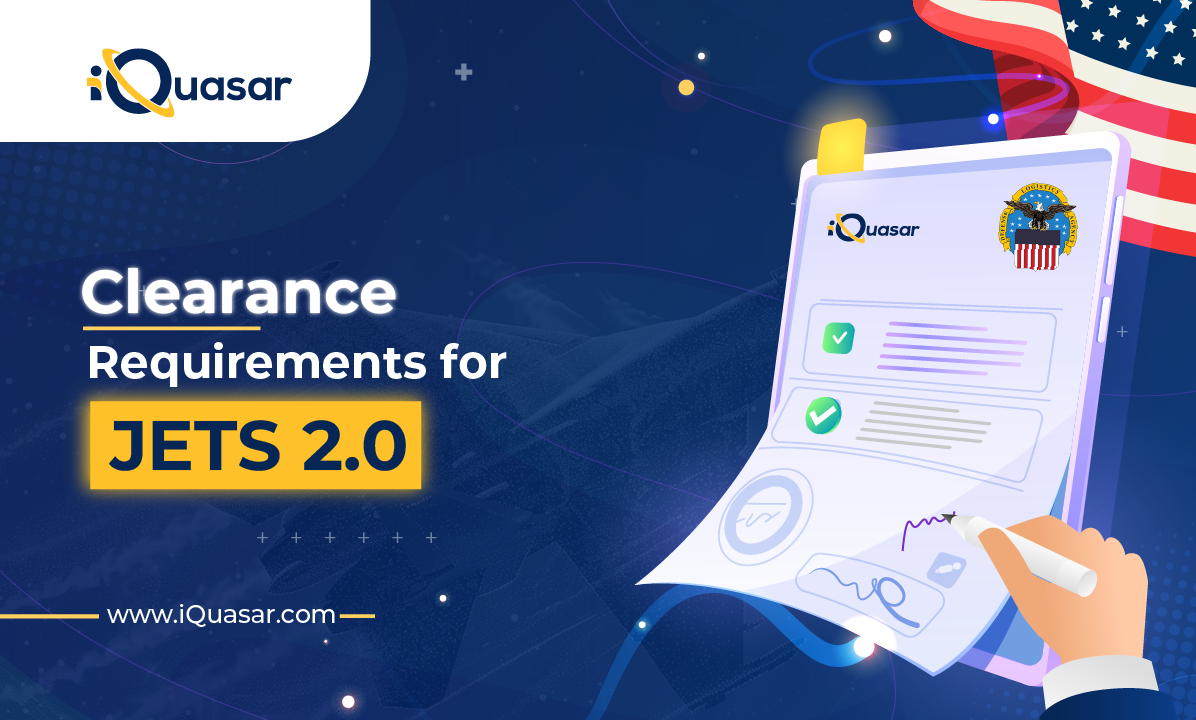
The JETS 2.0 (J-6 Enterprise Technology Services) contract, supporting the Defense Logistics Agency (DLA), is a massive 10-year, $11.9 billion opportunity for IT and cybersecurity services. For JETS 2.0 awardees, one of the biggest challenges is meeting the stringent security clearance requirements. Ensuring that personnel meet these clearance levels is essential for both the recruitment process and contract fulfillment. This blog breaks down the clearance requirements, the tiered clearance levels, and what JETS 2.0 awardees should know about them.
Various Clearance Requirements for JETS 2.0
Under the JETS 2.0 (J-6 Enterprise Technology Services) contract, task orders often require personnel to hold security clearances at varying levels based on the sensitivity of their roles. These clearances range from low-risk to high-risk, ensuring that personnel meet the security thresholds necessary to protect classified and sensitive information. The most common clearance levels required for JETS 2.0 task orders include:
- Public Trust: For positions that require access to non-classified but sensitive government information. It is generally used for roles with access to essential but non-sensitive operations.
- Secret Clearance (Tier 3): Required for roles handling information that could cause significant damage to national security if disclosed. Common for mid-level IT and cybersecurity roles under JETS 2.0.
- Top Secret Clearance (Tier 5): Needed for roles involving highly sensitive information where unauthorized disclosure could cause exceptionally grave damage to national security. This is required for critical IT positions and specialized cybersecurity roles.
The JETS 2.0 contract outlines specific labor categories for task orders, each corresponding to a set of skills and security requirements. You need to carefully match qualified personnel to the labor categories, ensuring they meet both the functional and security needs specified in the task order. Some labor categories include:
- Computer Security Systems Specialist (Tier 3/IT-II Clearance)
- Big Data Engineer (Tier 3/IT-II Clearance)
- Application Database Administrator (Tier 3/IT-II Clearance)
- Agile Project Manager (Tier 3/IT-II Clearance)
- Cloud Computing Specialist (Tier 3/IT-II Clearance)
Find all the labor categories in Attachment 3 of the JETS 2.0 RFP.
Understanding these categories is critical for staffing appropriately and delivering services aligned with the DLA’s expectations.
Tiered Clearance Levels Breakdown
- Tier 5 / IT-I (Top Secret): Reserved for high-risk roles involving highly sensitive national security information. Personnel in roles requiring Tier 5 clearance typically work in critical IT or cybersecurity functions.
- Tier 3 / IT-II (Secret): Designated for moderate-risk roles, typically in mid-level IT and cybersecurity positions. Tier 3 ensures the protection of sensitive information but at a lower threshold than Tier 5.
- Tier 1 / IT-III (Public Trust): Applied to low-risk roles that involve no access to classified information, often used for administrative or non-sensitive IT tasks. Public Trust clearance focuses on protecting government operations and assets without the need for classified information access.
Depending on the specific requirements of various roles, other clearances may be necessary to ensure compliance and security within the organization. Understanding the different levels of clearances needed can significantly enhance your hiring strategy.
What Should Awardees Know About JETS 2.0 Clearance Requirements?
Awardees must be well-prepared to meet and manage these clearance requirements to fulfill the needs of JETS 2.0 task orders effectively. Here’s what they should focus on:
- Role-Specific Clearances: Each task order under JETS 2.0 specifies the level of clearance required for personnel, depending on the data sensitivity and systems involved. Awardees must ensure they recruit candidates with the appropriate clearances for their roles, whether Public Trust, Secret, or Top Secret.
- Limited Pool of Cleared Talent: The pool of candidates with active security clearances, especially at the Secret and Top Secret levels, is limited. Awardees must navigate this challenge by building relationships with cleared professionals and maintaining a pipeline of pre-vetted and ready-for-deployment candidates.
- Clearance Maintenance and Renewals: Security clearances are not permanent; they require regular updates and re-investigations. Awardees must have systems to track clearance expiration dates and manage the renewal process to ensure personnel remain eligible for their roles. Failure to maintain active clearances can disrupt project timelines and result in penalties.
- Time-Consuming Process: Obtaining security clearances, especially Top Secret, can take several months. To avoid delays, awardees should consider recruiting personnel with active clearances and maintaining a pre-vetted talent pool that can be mobilized quickly when task orders are awarded.
- Compliance with Federal Hiring Standards: Clearance requirements must align with strict federal standards, including background checks, investigations, and Equal Employment Opportunity (EEO) guidelines. Awardees must ensure compliance with recruitment and retention processes to avoid delays and potential legal complications.
Also Read: 7 Recruitment Essentials for DLA JETS 2.0 Awardees
By understanding the clearance levels and operational requirements for each task order, JETS 2.0 awardees can better manage their recruiting strategies and avoid pitfalls associated with clearance delays or mismatches.
Meeting the clearance requirements for JETS 2.0 task orders is a critical component of contract success. Companies must focus on recruiting, maintaining, and managing personnel with the right clearance levels, whether Public Trust, Secret, or Top Secret. Additionally, awardees should be prepared for the time and complexity involved in clearance renewals and federal hiring standards, ensuring compliance and readiness for task order deployment.
At iQuasar LLC, recruiting personnel with the necessary clearances can be daunting. Our cleared recruitment services streamline the process by providing access to pre-vetted candidates holding active security clearances. Whether you need personnel for roles requiring Tier 3/IT-II or Tier 5/IT-I clearances, we cover all labor categories outlined in JETS 2.0’s Attachment 3. With our extensive network and expertise, we help you quickly fill mission-critical positions, ensuring that your task orders are executed without delays.
Avail our cleared recruitment services to confidently staff your JETS 2.0 task orders with top-notch cleared personnel. We specialize in filling critical roles such as Computer Security Systems Specialist (Tier 3/IT-II), Big Data Engineer (Tier 3/IT-II), Application Database Administrator (Tier 3/IT-II), Agile Project Manager (Tier 3/IT-II Clearance), and Cloud Computing Specialist (Tier 3/IT-II).
Contact us and let us handle the complexity of cleared recruitment so you can focus on delivering exceptional services under JETS 2.0.