
The federal procurement landscape is transforming — and at the heart of it all is the General Services Administration (GSA). Once known primarily as the government’s purchasing arm for office supplies and IT hardware, the GSA is now emerging as the central authority reshaping how the U.S. government buys almost everything. A sweeping executive order signed in March 2025 by President Trump has redefined GSA’s role, consolidating procurement of common goods and services under its umbrella. Presented as a move to increase efficiency and eliminate waste, the order gives the GSA unprecedented oversight — especially over IT contracts —and tasks it with managing billions in annual federal spending.
This shift isn’t just bureaucratic — it’s strategic. It marks a decisive effort to modernize acquisition, standardize procurement channels, and promote smarter spending. But with these sweeping changes come equally significant challenges — for government agencies navigating new processes and for contractors trying to stay competitive in an evolving marketplace. In this blog, we’ll break down the GSA’s expanding role, explore what it means for contractors, and share insights on how businesses can successfully adapt to this new era in federal procurement.
The Expanding Role of GSA in Modern Federal Procurement
The General Services Administration (GSA) has long played a central part in federal procurement, but its role is now being fundamentally reshaped — and significantly expanded. The March 2025 executive order marks a pivotal turning point, tasking the GSA with not just supporting procurement but leading it across the federal government. This move signals a strategic push toward consolidation, centralization, and standardization of government buying practices. At the heart of this change is the belief that consolidating procurement authority under one entity can reduce redundancy, cut costs, and streamline operations. By positioning the GSA as the primary procurement arm of the federal government, the administration aims to eliminate fragmented purchasing across agencies and bring consistency to how common goods and services are acquired. This shift is especially significant given the scale and complexity of what lies ahead. The GSA is now expected to:
- Develop and manage a centralized procurement strategy that spans all domestic federal agencies.
- Take the lead on all government-wide IT procurement, potentially impacting billions of dollars in contracts.
- Standardize the acquisition of commonly used goods and services — from office supplies to professional support services.
This expanded role also reaffirms the GSA’s position as a strategic player in driving innovation, efficiency, and accountability in federal procurement. But with greater authority comes greater responsibility — and heightened scrutiny from both agencies and contractors watching closely to see how this transformation unfolds.
The Role of GSA in Centralizing Federal IT Procurement
One of the most consequential changes brought by the executive order is the formal designation of the GSA as the executive agent for all government-wide IT procurement contracts. This marks a significant shift in authority, centralizing IT acquisitions under a single agency that will now manage, coordinate, and rationalize federal technology spending. Within 30 days of the order, the Office of Management and Budget (OMB) is required to solidify this designation, ensuring agencies comply with this new procurement structure. Under this directive, the GSA will:
- Oversee all Government-Wide Acquisition Contracts (GWACs) related to IT, unless doing so disrupts service continuity or is deemed inappropriate.
- Rationalize the federal IT contracting landscape, eliminating duplicative contracts and streamlining procurement vehicles.
- Define new standards for awarding, managing, and enforcing IT contracts to promote efficiency and accountability.
While IT contracts are among the most impacted, the ripple effects extend into nearly every procurement channel— especially through the restructuring of the MAS program and GSA’s growing workforce.
Also Read: Federal IT Contracting to Come Under GSA – What the Recent Executive Order Means for Government Contractors
Multiple Award Schedule (MAS) Program Restructuring
In direct response to the March 2025 Executive Order on consolidating procurement, the U.S. General Services Administration (GSA) announced its plans on March 24, 2025, to right-size the Multiple Award Schedule (MAS) Program. This effort includes allowing contracts that fail to meet minimum sales thresholds to naturally expire, rather than continuing to renew underperforming agreements. The GSA will also be focusing on addressing contractor non-compliance, eliminating redundant offerings, and removing products and services with little to no demand. This will help reduce administrative burden, streamline procurement processes, and ultimately result in a more agile and relevant MAS catalog.
According to the official GSA news release, the MAS Program restructuring aims to make the federal buying experience more effective and efficient for both buyers and industry partners. Contractors are encouraged to monitor their sales performance and ensure their offerings remain competitive and in demand.
What This Means for Government Contractors
The GSA’s centralization and streamlining of federal procurement processes mark a significant shift in how contracts will be managed and awarded, creating a ripple effect across the contracting community. Some of the key implications include:
- Increased Competition: With federal procurement becoming more centralized under the GSA, agencies will likely shift more of their purchasing through GSA vehicles. This means contractors will face stiffer competition within the same procurement channels, particularly within consolidated schedules and Blanket Purchase Agreements (BPAs). Vendors will need to differentiate themselves through performance, pricing, and innovation.
- Compliance and Performance Standards: The GSA is signaling a stricter stance on contractor performance and compliance. Vendors that fail to meet contractual requirements or minimum thresholds may risk losing their spot on MAS. Contractors must be vigilant in meeting reporting obligations, maintaining cybersecurity standards, and consistently delivering value to the government.
- Adaptation to New Procurement Processes: As procurement policies evolve under the GSA’s leadership, contractors will need to stay agile. This includes understanding changes in solicitation formats, submission protocols, evaluation criteria, and the increased use of e-tools like GSA Advantage! and eBuy.
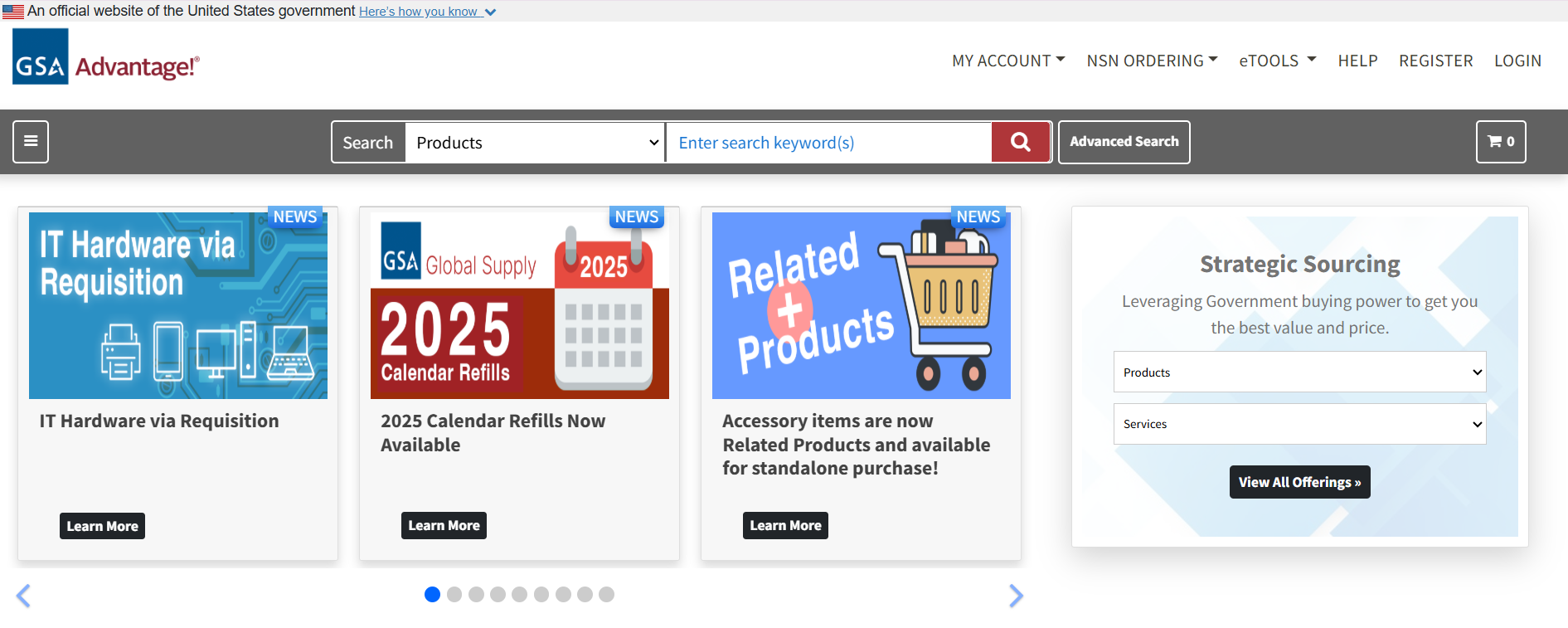
GSA Advantage
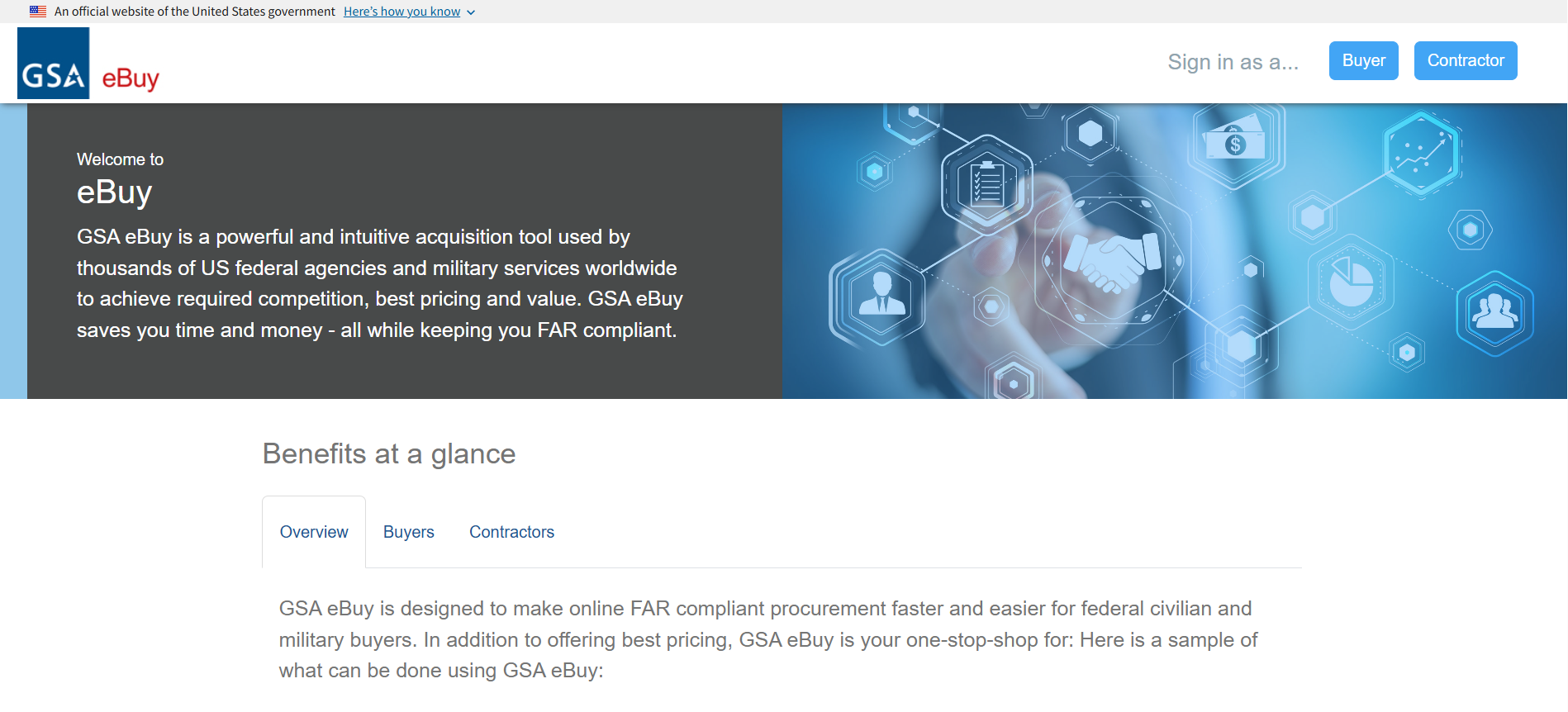
GSA eBuy
These changes are designed to streamline acquisition but demand that vendors be proactive, informed, and responsive to new requirements. Further information can be found directly from the GSA’s MAS Program page.
Strategic Workforce Alignment & Mission Goals
To effectively execute its evolving mission, the General Services Administration (GSA) is taking a more strategic approach to workforce planning—prioritizing capability development across key areas such as acquisition, real estate, and technology. Rather than simply expanding headcount, GSA is focused on aligning talent with mission-critical needs to enhance operational agility and improve procurement outcomes. Through targeted recruitment efforts, the agency seeks professionals with advanced education and deep experience in contract management, the Federal Acquisition Regulation (FAR), and digital transformation. According to the GSA’s official recruitment portal, this effort is part of a broader strategy to elevate internal coordination, manage growing procurement demands, and implement centralized processes more effectively.
This talent alignment strategy is complemented by GSA’s broader push toward innovation and modernization. On March 20, 2025, GSA launched an early-stage AI tool aimed at supporting staff with daily operations. This tool represents a forward-thinking step in GSA’s efforts to integrate technology into procurement processes, offering a shared service to other federal agencies in the future. Additionally, on March 24, 2025, GSA introduced FedRAMP 20x, an initiative designed to simplify and streamline cloud adoption by federal agencies, enhancing both security and cost-effectiveness. Together, these efforts underscore GSA’s strategic vision of building a high-performing workforce empowered by advanced tools and modern practices.
Contractors should anticipate that GSA’s sharpened focus on workforce capability and digital enablement will translate into faster procurement cycles and more rigorous compliance expectations. To stay competitive, contractors must demonstrate excellence in performance, accountability, and quality throughout the entire contract lifecycle.
How Contractors Should Prepare
As the GSA takes centre stage in federal procurement, contractors must act decisively to align with the new landscape. The centralization of acquisition authority, tightening of compliance measures, and increased use of digital procurement tools demand a proactive, agile approach from businesses aiming to remain competitive.
Here’s how contractors can position themselves for success:
- Monitor Regulatory and Policy Changes Closely: Stay informed about updates from the GSA, OMB, and related agencies. Subscribing to GSA newsletters, attending industry days, and engaging in forums can provide timely insights.
- Optimize Offerings on GSA Schedules: Ensure your products/services are in demand, competitively priced, and compliant. Regularly review catalog listings, pricing strategies, and retire low-performing offerings before the GSA does.
- Strengthen Compliance Infrastructure: Revisit internal controls, reporting mechanisms, and cybersecurity practices. Meet minimum sales thresholds and properly maintain records to avoid contract cancellations.
- Prepare for Larger, More Competitive Contracts: Expect broader solicitations and more complex vehicles. Consider teaming arrangements, JVs, or subcontracting to stay competitive.
- Embrace Digital Tools and Platforms: Get familiar with eBuy, GSA Advantage, and AI-driven procurement systems. Ensure your team is trained, your profiles are optimized, and submissions are tailored.
- Engage Early and Build Relationships: Communicate with GSA contracting officers, participate in pre-solicitation discussions, and demonstrate adaptability and value.
With its evolving authority and resources, GSA is transforming from a contracting hub to a strategic driver of government modernization. In this context, businesses must rethink their positioning to stay ahead. The GSA’s initiatives represent a concerted effort to enhance the efficiency and effectiveness of federal procurement. By proactively adapting to these changes, contractors and agencies can position themselves for success in the evolving federal marketplace.
If you’re interested in navigating the complexities of the GSA and ensuring your business is well-positioned to secure business through it, consider reaching out to iQuasar. To increase your chances of winning, our team of professionals can assist you in determining your eligibility, creating a unique proposal approach, and producing a superior response. We also help aspiring and existing MAS Schedule holders through their Schedule contract’s application, modification, renewal, and maintenance process. Contact us today for a deeper dive on navigating GSA’s new central role and securing your space in the shifting GovCon landscape.