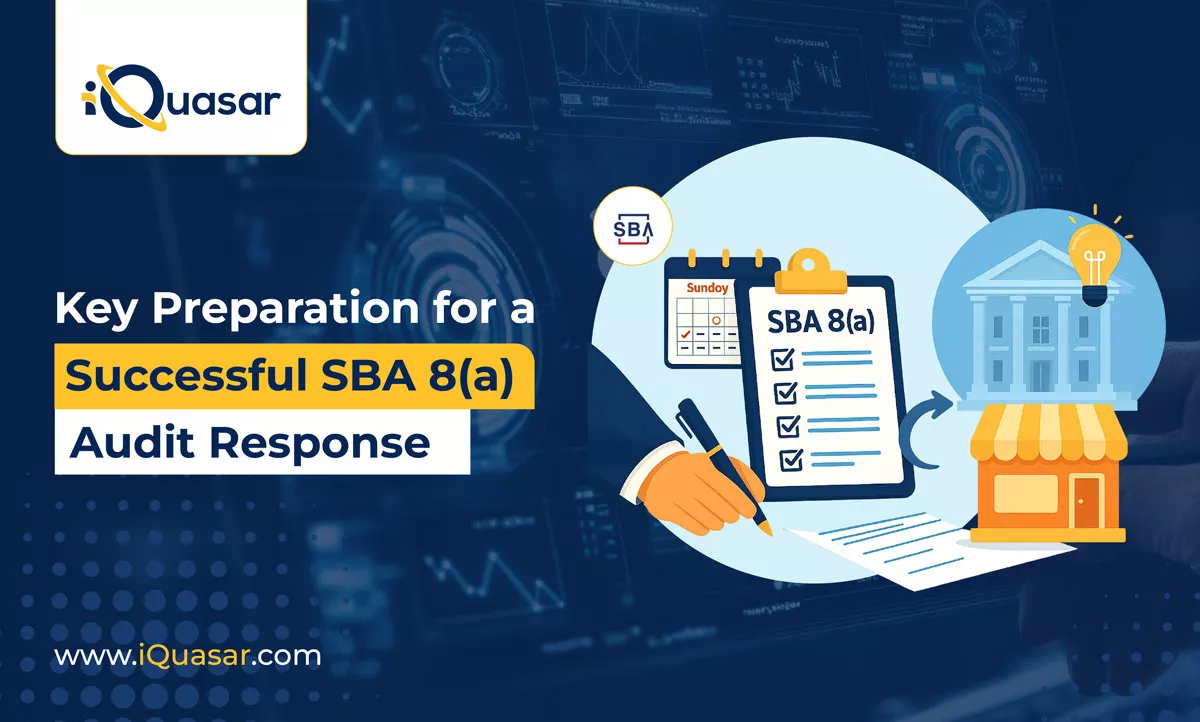
On December 5, 2025, the U.S. Small Business Administration issued a mandatory and wide-ranging notice to all participants in the 8(a) Business Development Program. The SBA is requiring all contractors within the 8(a) Business Development Program to submit complete financial and business records for the past three fiscal years.
The message from SBA is clear. The era of light verification is over, and the agency is launching one of the most aggressive program-wide audits in recent history. The agency cites serious concerns about misuse of the 8(a) program and industry practices that appear to involve pass-through arrangements, subcontract dominance, and potential fraud.
All 8(a) firms must submit the full set of requested financial documents for the last three fiscal years, including bank statements, financial statements, general ledgers, payroll registers, contracting and subcontracting agreements, and employment records, to the SBA no later than January 5, 2026. The agency has provided a short and firm timeline, which means businesses cannot afford delays in gathering documentation, validating financials, or organizing evidence that supports compliance with 8(a) program requirements.
Impact and Consequences of SBA 8(a) Audit
The SBA has rarely taken this level of program-wide action. Its decision to investigate all participants signals a shift toward stronger program enforcement. This creates several immediate risks for 8(a) firms. Companies that fail to comply may lose their eligibility to participate in the 8(a) Program and could face further investigative or remedial actions.
Time and Resource Pressure
Many firms lack complete year-to-year documentation in an easily accessible form. Reconstructing records under time pressure will be difficult for any small business without professional support.
Extended Period of Review
Although the request focuses on the three most recent fiscal years, SBA staff may expand inquiries into earlier years if documentation raises questions. High-value contracts or sole-source awards could receive special attention.
Risk of Penalties
Findings of noncompliance, pass-through relationships, or incorrect size status may lead to removal from the 8(a) program, suspension, debarment, or referral to the Department of Justice under the False Claims Act.
Heightened Scrutiny going Forward
Even firms that have historically complied with regulations may face follow-up requests or additional investigative steps based on patterns found in their submissions.
Action Plan for all 8(a) Contractors
Every 8(a) contractor should immediately establish a structured plan to meet the SBA’s requirements and protect their program standing. Contractors should also consider engaging experienced compliance professionals who can review materials, identify red flags, and guide the firm in presenting a clean and defensible submission package. This proactive approach reduces risk and ensures readiness for additional SBA follow-up if required.
Complete an internal Pre-audit Review
Identify which documents are already available and which must be recreated. Check for gaps such as incomplete payroll records or missing reconciliations.
Review Subcontracting and JV Arrangements carefully
The SBA is clearly focused on improper reliance on subcontractors. Document which employees performed the work and how control was exercised.
Also Read: SBA 8(a) Program Audit: What It Means for Federal Contractors and How to Prepare
Organize Financial Statements and Bank Records
Ensure that all figures are supported and that there are no inconsistencies between ledgers, reconciliations, and bank statements.
Seek expert Guidance before Submitting
Experienced government contracting professionals can identify potential red flags and help the business prepare responses that are accurate, complete, and defensible.
Strengthen your 8(a) standing with Expert Audit Support
Every 8(a) firm is under review, and the risks are significant. Expert guidance can make the difference between a smooth audit response and a stressful process that exposes your business to unnecessary risk. With the right team supporting you, you can navigate the audit with confidence and position your business for continued success in the 8(a) program.
iQuasar can help you prepare a fully compliant response, reduce risk, protect your 8(a) status, and ensure that your business comes through this audit stronger than before.
If you need immediate support or want a free initial consultation, contact us today. We are ready to help you respond with confidence.