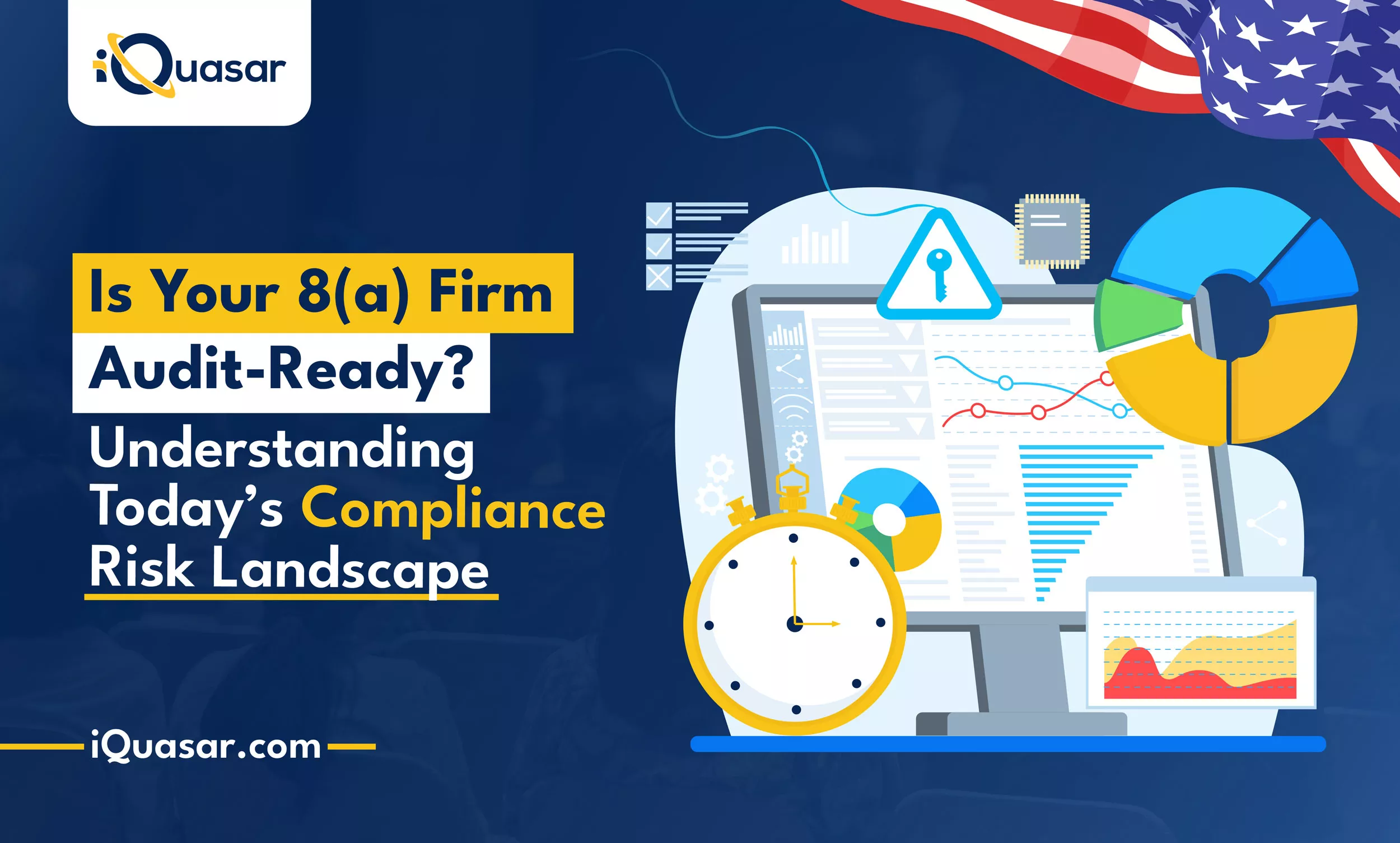
Since 2023, and with increased clarity in FY2025 and now entering FY2026, oversight of the Small Business Administration’s 8(a) Business Development Program has intensified. This shift is driven by broader federal directives emphasizing program integrity, fraud prevention, and accountability in small business contracting. Recently, Secretary of the Department of War, Peter Hegseth, ordered a line-by-line review of every sole-source 8(a) contract over $20 million, with smaller contracts also subject to examination. These reviews focus on whether contracts contribute to military readiness and lethality, and whether 8(a) firms are genuinely performing the contracted work or acting as intermediaries, particularly in arrangements where small businesses allegedly retain 10% to 50% fees before passing work to larger consulting firms.
What was once a compliance environment centered largely on eligibility documentation has evolved into one of operational scrutiny, examining how ownership, control, and performance are exercised in day-to-day operations. This includes heightened scrutiny of pass-through arrangements, increased examination of joint ventures and mentor-protégé structures, and growing use of data-driven reviews to identify risk across socio-economic programs. As a result, audit readiness is no longer a reactive exercise but an ongoing condition that directly affects eligibility, award timing, and partner confidence. In this blog, we examine why 8(a) compliance risk has increased, where firms most often become exposed without realizing it, and what audit readiness truly means under today’s enforcement posture, along with practical steps contractors can take to reduce risk before scrutiny begins.
Why Has 8(a) Compliance Risk Increased in FY2025–FY2026?
Compliance as a Strategic Risk
In the current enforcement environment, 8(a) compliance risk has moved from a governance footnote to a strategic risk that touches eligibility, performance integrity, and long-term partner trust. The enforcement rationale is clear: the SBA is tightening governance signals, elevating fraud risk indicators, and scrutinizing control integrity with a sharper lens.
This shift is not reactive to a single case; it reflects a deliberate move toward data-driven oversight designed to deter:
- Schemes that obscure true ownership
- Arrangements that inflate program benefits
- Structures that fail to deliver intended socio-economic outcomes
For executives, compliance is no longer a back-office concern, it is a live enterprise risk that can ripple through funding, awards, and reputational standing.
The Core Drivers of Increased Scrutiny
Fraud risk, pass-through arrangements, and control integrity form the central triad driving heightened enforcement. Auditors increasingly look for alignment between:
- Ownership structures and daily decision-making
- Documented authority and operational reality
- Subcontracting plans and actual performance
When misalignment appears, it signals that 8(a) status may not be delivering its intended impact, triggering broader scrutiny across joint ventures and mentor-protégé relationships.
Where Do 8(a) Firms Commonly Become Noncompliant Without Realizing It?
1. Subcontracting Dependence
A recurring audit pattern is overreliance on subcontracting arrangements that mask internal capability gaps. When a single large subcontractor performs the majority of the work:
- Ownership and control are effectively outsourced
- Visibility into execution erodes
- Policy and practice diverge
This creates structural risk that auditors flag as misalignment, undermining program integrity.
2. Performance-of-Work (POW) Erosion
Aggressive schedules and shifting incentives can push work outside intended boundaries. Over time:
- POW compliance becomes difficult to trace
- Deliverables drift from contract intent
- Fragmented responsibility obscures accountability
These issues often surface during audits, especially in complex teaming arrangements.
3. Ownership and Control Drift
Ambiguities in daily decision-making authority, financial, operational, or strategic, can erode eligibility credibility. When governance documents do not reflect actual practice, auditors interpret this as a control integrity risk with long-term implications.
4. Joint Venture Misalignment
Outdated JV agreements frequently trigger findings. When current ownership, control, and performance no longer match governing documents, auditors see a disconnect between intended and actual operating models.
5. Documentation and Reporting Gaps
Incomplete records, inconsistent reporting, or fragmented documentation weaken audit defenses. Without a clear, auditable trail linking governance decisions to outcomes, eligibility and integrity claims become fragile.
How Do These Compliance Risks Affect Firms and Their Partners?
1. Impact on 8(a) Firms
Misalignment between status and practice can:
- Jeopardize eligibility
- Trigger corrective actions
- Disrupt future opportunity access
The cost of remediation can be significant, and unresolved governance concerns may erode investor and lender confidence.
2. Impact on Small Business Primes
Compliance concerns can lead to:
- Award delays or increased scrutiny
- Elevated due diligence requirements
- Reduced teaming flexibility
This may constrain growth velocity and force more conservative business development strategies.
3. Impact on Large Firms and Partners
For JVs and mentor-protégé relationships, risk can ripple across contracts, requiring:
- Greater partner vetting
- Ongoing governance reviews
- Clearer independence signals
The result is a disciplined but less forgiving operating environment.
4. Operational Consequences
High-performing teams demonstrate not just compliance, but auditable governance frameworks that operate in real time. Data quality, POW traceability, and control documentation become strategic assets rather than audit artifacts.
What Does Audit Readiness Actually Mean Today?
1. Structural Readiness
Audit readiness requires:
- Clear authority lines
- Documented decision rights
- Governance models updated as arrangements evolve
Written policy must align with lived operational reality.
2. Operational Readiness
Auditors expect:
- Traceable POW oversight
- Documented subcontractor controls
- Executable governance mechanisms
Independence must be demonstrable, with conflicts disclosed and mitigated.
3. Cultural Signals
Audit readiness reflects durable practices, not one-time preparations. It signals disciplined governance, consistent execution, and transparent performance data—making readiness a competitive differentiator.
Also Read: SBA 8(a) Program Audit: What It Means for Federal Contractors and How to Prepare
How Can Contractors Reduce 8(a) Compliance Risk Before an Audit Begins?
1. Proactive Risk Reduction
Effective risk reduction begins with candid internal reviews focused on:
- Ownership and control
- POW integrity
- Subcontracting governance
The goal is end-to-end traceability from governance decisions to performance outcomes.
2. Refreshing Teaming Structures
Subcontracts, JVs, and mentor-protégé agreements must reflect current realities. Governance appendices should clearly map:
- Decision rights
- Reporting cadence
- Escalation procedures
These updates create the auditable pathways auditors expect.
3. Strengthening Documentation and Reporting
Standardized templates, consistent reporting rhythms, and aligned procurement timelines embed a durable evidence trail. Early intervention prevents minor gaps from escalating into formal findings. Durable governance requires continuous refinement as contracts and partnerships evolve.
8(a) Compliance risk is now a material competitive factor shaping eligibility, performance, and partner trust. Executives who integrate governance, operations, and independence into a cohesive system will be better positioned to grow while withstanding scrutiny. Adaptation is a strategic capability, not a defensive posture. To explore a risk-aware growth path, consider how our 8(a) Business Development program can support durable, compliant expansion. Contact us to discuss a roadmap that keeps your 8(a) program resilient in a tightening market.