Introduction: Why Contract Compliance Matters
You’ve done it. After countless hours of bidding, proposal writing, and negotiations, your small business has won a government contract. Congratulations! This is a significant milestone and a huge opportunity for growth. But here’s the crucial truth that many new government contractors overlook: winning the contract is only the beginning. The real challenge and, indeed, the accurate measure of success lie in what comes next—contract compliance.
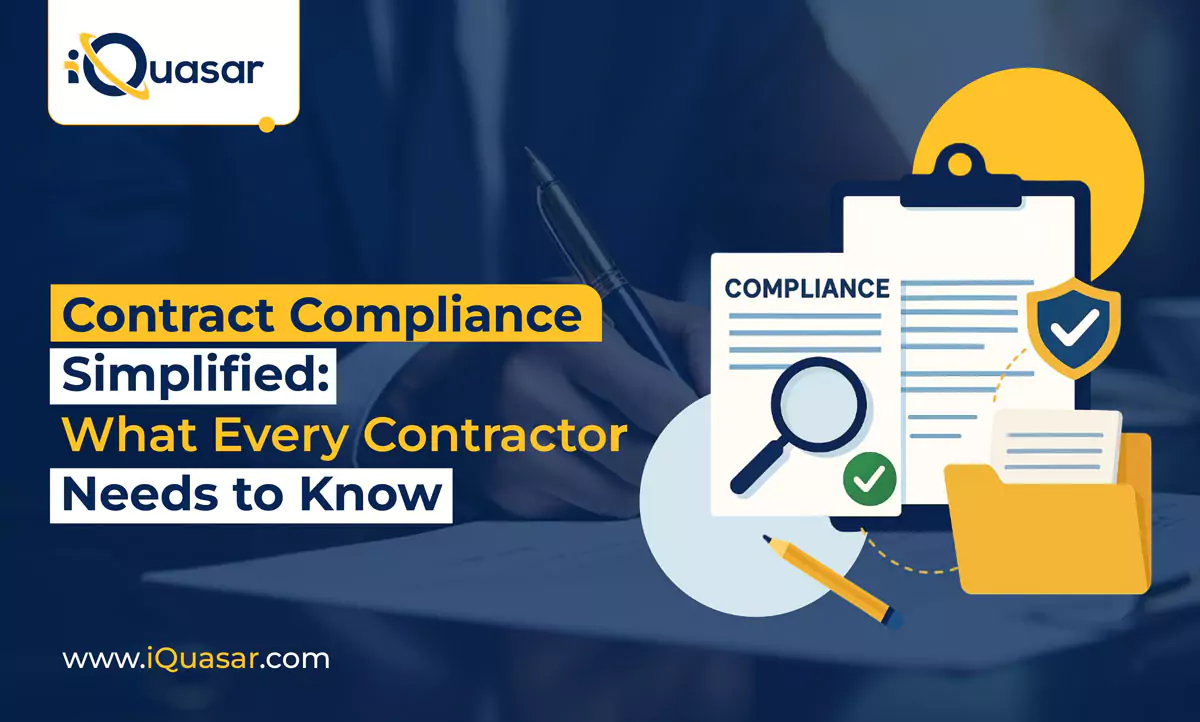
Contract compliance is the backbone of every successful government project. It’s the process of ensuring that your business not only delivers the services or products outlined in the contract but also adheres to every single rule, regulation, and reporting obligation along the way. Failing to do so can result in serious consequences, from financial penalties and contract termination to being barred from future government work. For small business owners and those new to the government contracting space, understanding and implementing a robust compliance strategy is not just a good idea but an essential for survival and long-term success.
What is Contract Compliance in Government Contracting?
At its core, government contract compliance means fulfilling all the terms and conditions of a contract and all applicable federal laws and regulations. Unlike commercial contracts, government agreements are subject to a vast and complex web of rules that dictate everything from labor standards and cybersecurity to accounting practices and ethical conduct.
Think of it as a detailed checklist that goes far beyond the scope of work. It includes:
- Cost and Pricing Compliance: Ensuring that your pricing is fair, reasonable, and compliant with federal acquisition regulations (FAR). This involves robust accounting systems that can accurately track and report costs.
- Labor and Employment Laws: Adhering to standards set by acts like the Davis-Bacon Act (for prevailing wages) and the Service Contract Act.
- Subcontractor Management: Ensuring that any subcontractors you hire are also compliant with all relevant regulations.
- Reporting Requirements: Submitting regular, accurate reports on progress, finances, and other metrics as required by the contracting agency.
This comprehensive approach to compliance is what sets government contracts apart and underscores the need for a proactive and organized strategy.
How to Ensure Government Contract Compliance
Ensuring compliance isn’t something you can tackle at the last minute. It requires a strategic, proactive approach from the moment you win the contract. Here are some key steps to build a strong compliance framework:
1. Understand the Contract:
Before anything else, thoroughly read and understand every clause of your contract. Identify specific requirements, reporting deadlines, and any unique provisions related to your project. Don’t hesitate to ask the contracting officer for clarification on ambiguous terms.
2. Establish a Robust Accounting System:
Your accounting system is your first line of defense. It must be able to segregate direct and indirect costs, track costs per contract, and handle the specific financial reporting required by the government. A system that is DCAA-compliant is a significant advantage.
3. Implement Policies and Procedures:
Create internal policies and procedures that reflect the compliance requirements of your contracts. This includes things like timekeeping policies, procurement procedures, and ethical guidelines for employees.
4. Train Your Team:
Compliance is a team effort. Ensure that all employees involved in the contract, from project managers to administrative staff, are trained on the specific requirements they need to follow.
5. Conduct Regular Audits:
Performing internal audits or mock audits can help you identify and correct potential compliance issues before they become a problem. This proactive approach can save you from costly government audits and penalties later on.
Also Read: From Compliance to Competitive Advantage: The Power of Quality Assurance in Government Contracting
Key Compliance Areas Contractors Must Focus On
While the full scope of compliance is vast, several key areas consistently present challenges for contractors:
- Cybersecurity Compliance: With the increasing focus on data security, contractors must adhere to strict cybersecurity standards, such as those outlined in the Cybersecurity Maturity Model Certification (CMMC).
- Timekeeping and Labor Compliance: Accurate timekeeping is non-negotiable. It ensures that employees are paid correctly and that labor costs are appropriately allocated to the correct contracts. Errors in this area are a common trigger for government audits.
- Subcontractor and Vendor Management: You are responsible for compliance with your supply chain. Vet all subcontractors and suppliers to ensure they can meet the same compliance standards you are held to.
- Invoicing and Reporting: Timely and accurate invoicing is crucial for maintaining cash flow and demonstrating compliance. All invoices must align with the terms of the contract and be supported by proper documentation.
Common Compliance Pitfalls and Risks
Even with the best intentions, contractors can fall into common traps. These pitfalls often stem from a lack of awareness or inadequate internal controls:
- Lack of Proactive Monitoring: Assuming everything is fine without regular checks can lead to minor issues escalating into major compliance violations.
- Ignoring Subcontractor Compliance: Overlooking the need for your subcontractors to follow the same rules as you can expose your business to significant risk.
- Poor Documentation: If it’s not documented, it didn’t happen. Failure to keep meticulous records of costs, labor hours, and project milestones can make it impossible to defend your practices during an audit.
- Outdated Policies: The regulatory landscape is constantly changing. Relying on outdated policies can lead to non-compliance with new regulations. As one expert put it, “a good compliance system is always a work in progress, not a one-and-done solution“.
Maintaining compliance in government contracting is undoubtedly challenging, but it is also essential. By establishing a robust, proactive compliance system, contractors can more effectively navigate complex regulations, reduce risks, and build a solid foundation for long-term success. Proactive compliance not only safeguards your business from penalties but also strengthens your credibility and trust with federal agencies.
In the highly competitive government marketplace, a reputation for reliability and strict adherence to regulations can be your most powerful differentiator. It can lead to repeat business, positive performance reviews, and, ultimately, the trust that wins you new opportunities and sustains growth.
iQuasar’s tailored offerings are well-suited to government contractors seeking to stay competitive during procurement, avoid penalties, and maximize profitability. Contact iQuasar today to get expert guidance on government contract compliance.