Are you a contractor looking to expand your footprint in the federal marketplace?
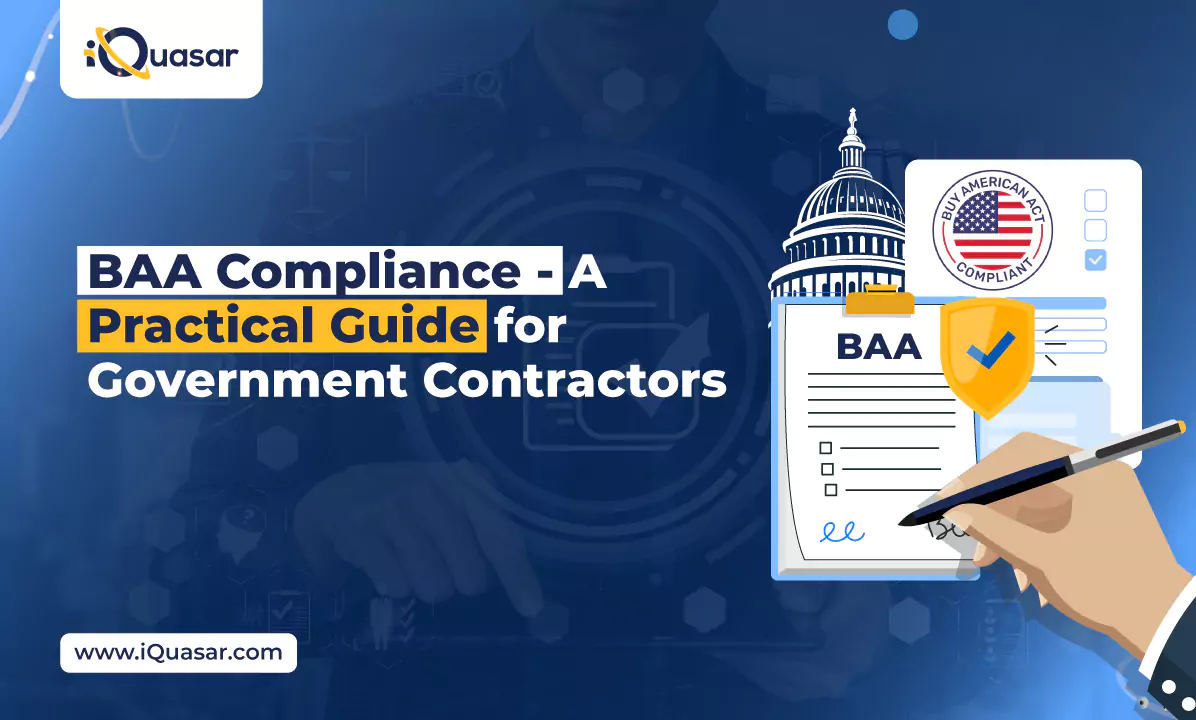
Every year, billions of dollars are allocated to infrastructure, defense, technology, and energy projects across the United States, many of which fall under the Buy American Act (BAA). Enacted in 1933, the BAA is designed to strengthen domestic industries by requiring federal agencies to prioritize U.S.-made products. However, securing government contracts is about more than submitting competitive bids; it requires a clear understanding of BAA compliance, evolving content thresholds, and proactive supply chain management. This blog explores the importance of BAA compliance, the challenges contractors face, and practical strategies to ensure long-term success in federal contracting.
Why the Buy American Act Matters
The BAA is more than a policy; it’s a foundation of federal procurement. It requires that products used in federal supply and construction contracts be manufactured in the U.S., with domestic content thresholds steadily rising (65% by 2024 and 75% by 2029 for manufactured goods per Executive Order 14005). By prioritizing domestic sourcing, the Act strengthens U.S. industries, reinforces economic security, and creates opportunities for contractors who can meet these requirements. Many agencies and primes prefer working with contractors who can demonstrate compliance, as it reduces risk for them, too.
BAA vs. Other Trade Rules
While the BAA applies broadly to most federal contracts, contractors should also understand how it interacts with other regulations:
- Trade Agreements Act (TAA): Applies to contracts above certain thresholds and allows sourcing from designated countries.
- Exceptions and Waivers: Granted when domestic products are unavailable, excessively costly, or not in the public interest.
- Agency-Specific Rules: Some agencies, such as the Department of Defense (DoD), enforce stricter requirements tied to national security priorities.
Understanding these nuances is critical for avoiding compliance risks and ensuring successful contract performance.
Strategies for Ensuring BAA Compliance
Staying competitive in the federal marketplace requires more than meeting the minimum standards; it demands a strong, proactive compliance system. For contractors, this means establishing a robust compliance framework that integrates BAA requirements seamlessly into procurement and sourcing processes. It also involves carefully vetting suppliers to ensure accurate reporting on domestic content and country of origin. Technology can play a significant role here, with compliance tracking tools and procurement software offering added visibility and control.
Equally important is keeping your team up to date: regular training and awareness sessions help staff stay aligned with evolving thresholds and rule changes. When questions arise, seeking advisory support from compliance experts can make navigating exceptions, waivers, and complex regulations far less daunting. By embedding these strategies into daily operations, contractors can reduce risk, strengthen their credibility, and build lasting trust with federal buyers.
Also Read: Contract Compliance in Government Contracts: What You Must Know
Emerging Opportunities for BAA-Compliant Contractors
The demand for BAA-compliant products is growing rapidly, fueled by national priorities:
- Infrastructure: The Bipartisan Infrastructure Law is driving demand for American-made steel, iron, and manufactured goods.
- Defense & Aerospace: DoD contracts prioritize domestic sourcing to protect national security.
- Technology Modernization: Federal IT modernization, cybersecurity, and telecom hardware projects depend on compliant supply chains.
- Energy & Sustainability: Renewable energy initiatives and EV charging infrastructure require U.S.-sourced materials.
For contractors, aligning with these opportunities can open the door to sustained growth and success.
Best Practices for Contractors
Successful contractors embed compliance into daily operations. Key best practices include:
- Stay Proactive: Monitor FAR updates and agency-specific BAA guidance.
- Be Audit-Ready: Maintain complete and transparent records of supplier certifications.
- Strengthen Partnerships: Foster relationships with suppliers who understand and adhere to compliance standards.
- Balance Cost and Compliance: Competitive bids must not sacrifice domestic content.
- Showcase Compliance: Highlight adherence in proposals to strengthen credibility.
These practices not only reduce risks but also provide a competitive edge in winning contracts.
If your company manufactures, resells, or integrates products for the government, BAA compliance is not optional; it’s a core requirement that affects eligibility, competitiveness, and legal standing. It ensures alignment with federal regulations, mitigates risk, and creates a competitive advantage in a marketplace that increasingly values domestic sourcing. Contractors who establish robust compliance frameworks, manage their supply chains effectively, and stay abreast of evolving thresholds will be well-positioned to secure federal contracts and contribute to U.S. economic resilience.
For over 20 years, iQuasar has helped businesses succeed in the federal marketplace. Our experts provide the guidance contractors need to stay competitive. Ready to strengthen your compliance processes and win more federal contracts? Connect with iQuasar today.