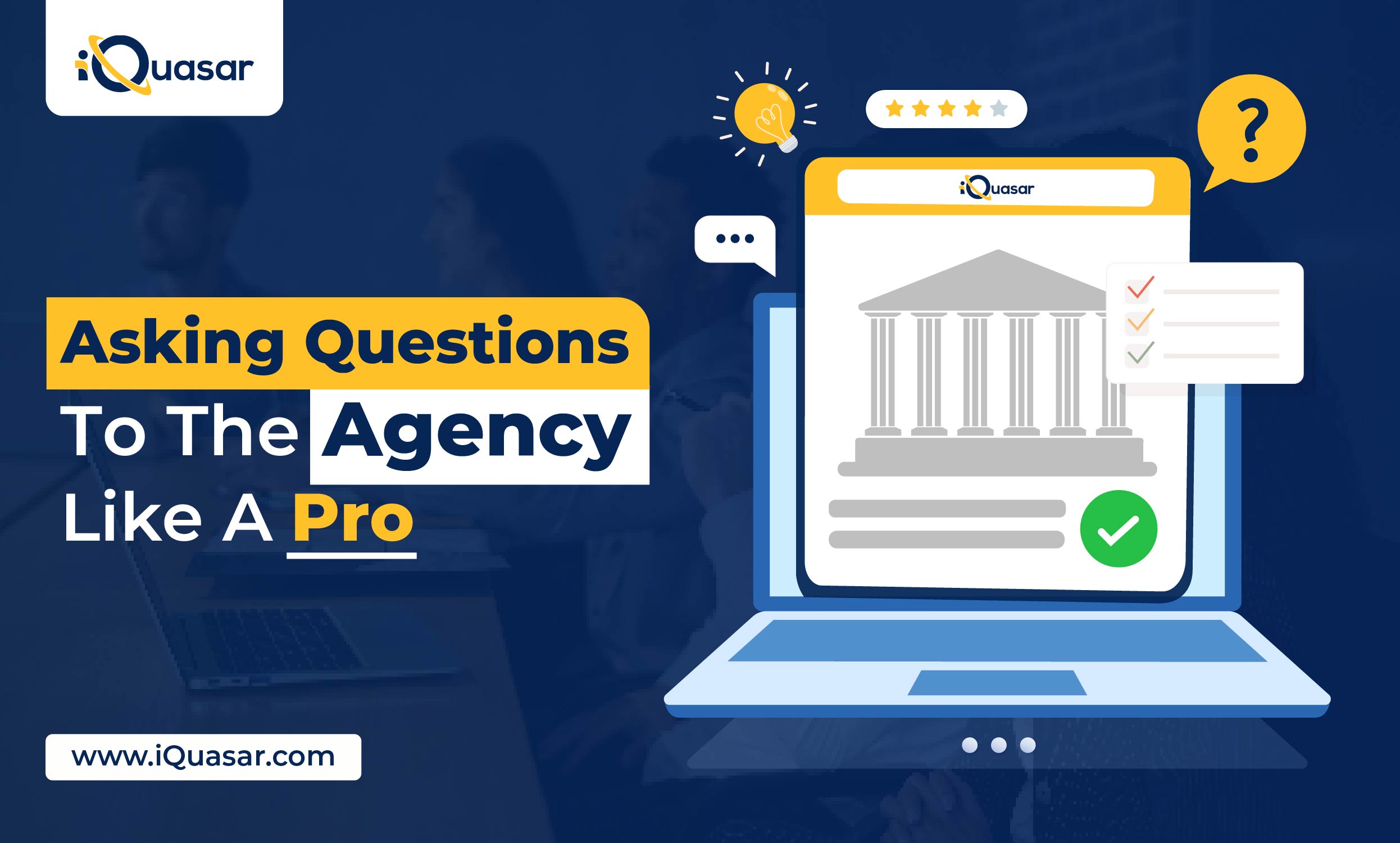
Federal contracting is a nuanced field, where small business contractors may not always have all the answers. Seeking clarification through questions is crucial. Ambiguities in RFPs or RFQs are common, and agencies may encourage inquiries to enhance solicitations. Addressing uncertainties through questions leads to clearer, more compelling responses for government contracts.
Asking questions is important because:
- It helps clarify the requirements. RFPs can be dense and filled with technical jargon or complex requirements. Asking questions helps clarify any ambiguities and ensures you fully understand the requirements.
- It demonstrates your engagement. Proactively seeking clarification shows the agency that you are engaged and serious about your proposal.
- It improves proposal quality. Well-informed questions can lead to better insights, allowing you to tailor your proposal to meet the agency’s specific needs.
- It helps shape the final proposal. If the proposal is in the early stages of pre-solicitation or RFI, you can send comments, feedback, and questions to help the agency shape the requirements.
How to Ask the Questions to Agency
Understand the Agency’s Needs
Before drafting the questions, it is necessary to understand the requirements and objectives thoroughly. Review all the documents, agency notifications, previous contract information, and other resources to gain insights into the agency’s needs and priorities.
Identify Key Information Gaps
Carefully review the solicitation and identify any areas where you need additional clarification or information. These could be related to the scope of work, evaluation criteria, submission requirements, or any other aspects of the contract.
Craft Clear and Concise Questions
When writing the questions, focus on being clear, concise, and specific. Avoid vague or open-ended questions that could lead to confusion. It is better to refer to the section number, page number, and document name of the document where the question is being asked. This helps the agency official better understand the question as well as the context.
Question Formats
If the agency has provided an Excel sheet or a Word document with a specific reference to ask the question, make sure you use that. If not, you can follow the below format to ask the questions:
- What are the specific requirements for [insert requirement]?
- Can you clarify the timeline for [insert timeline-related question]?
- How will the agency evaluate [insert evaluation criteria-related question]?
- Can you provide more details on [insert area needing clarification]?
Follow Proper Channels and Deadlines
Understand the method and channel that the agency is using to receive the questions. This may involve using a specific form, email address, or online portal. Ensure that you adhere to any deadlines for submitting questions, as late submissions may not be considered.
Maintain a Professional Tone
When communicating with the agency, it’s essential to maintain a professional and courteous tone. Avoid any language that could be perceived as aggressive or adversarial. The agency is there to provide information and support your understanding of the contract requirements. Use a clear and descriptive subject line for your email or form submission. Also, add your company name, point of contact, and contact information.
Document and Organize Your Questions
Keep a record of all the questions you’ve submitted, along with the agency’s responses. This will help you stay organized, track any changes or updates, and ensure you comprehensively understand the contract requirements.
Follow Up Promptly
If you are still waiting for a timely response to your questions, please follow up with the agency. Be polite and persistent in your outreach, as the agency may be dealing with a high volume of inquiries.
Ask Questions Strategically
You need to ask questions strategically, especially if you do not know a particular technology or a term. It is better to ask it in a way that it seems you are not completely unaware of but requires more clarity. It is also better to not ask questions where there is a possibility that their answers will open a can of worms and can be a cause of more stringent requirements.
By following these strategies, federal contractors can position themselves as knowledgeable and proactive partners, ultimately increasing their chances of success in the government contracting process. Asking questions can help you clear the ambiguities and help you write a better and more responsive proposal. All these strategies can be incorporated into your communication strategy with the government and help you position yourself as a better partner to the government.
Our team at iQuasar is well-versed in understanding the communication methods, best practices, and all the other tools we can use to communicate with the government. Our team is highly experienced in all phases of proposal development, including the pre-solicitation and post-RFP stages. Feel free to contact our team to learn more about our Proposal Development services.