If your subcontract reports were due last quarter and your system access suddenly changed, you are not alone. Many federal contractors have recently experienced confusion as reporting workflows that previously relied on the Electronic Subcontracting Reporting System (eSRS) are being integrated into SAM.gov. While the change is part of the government’s broader effort to modernize procurement data systems, the transition introduces real compliance risks for contractors who rely on accurate subcontract reporting to meet their contractual obligations.
For companies operating under subcontracting plans, reporting accuracy is not simply administrative; it directly affects compliance status, performance evaluations, and ongoing contract management. System migrations can disrupt established processes, particularly when authentication methods, reporting interfaces, and data structures change simultaneously.
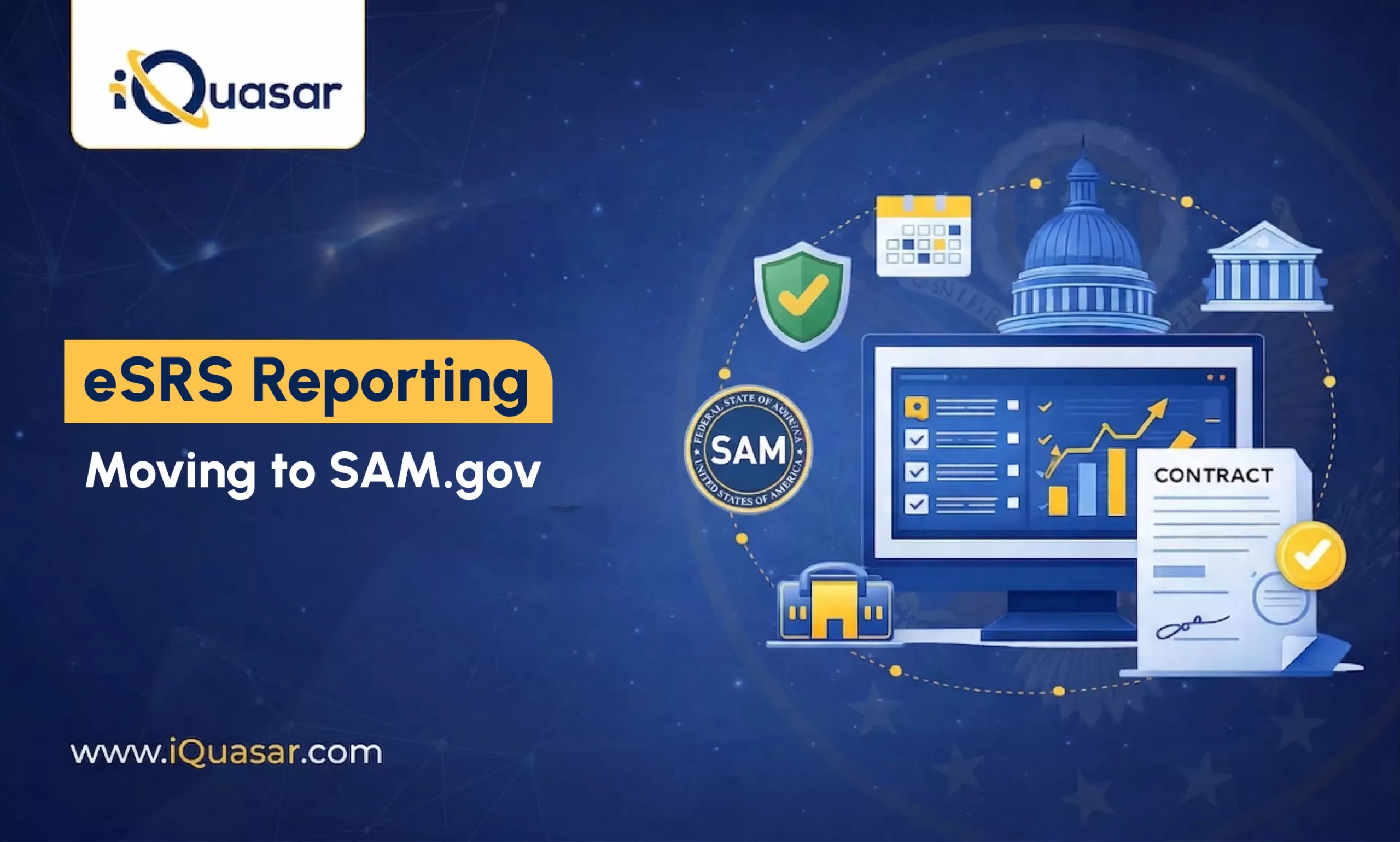
The shift of eSRS reporting into SAM.gov, therefore, represents more than a simple platform update. It requires contractors to revisit how reporting responsibilities are managed, verify access permissions, and confirm that historical reporting data remains intact. Understanding what changed and how to adapt operational workflows quickly is essential to avoiding missed deadlines or compliance issues.
What Changed in Federal Subcontract Reporting Systems
The federal government has been consolidating multiple procurement systems into SAM.gov, creating a more centralized environment for contractor registration, reporting, and compliance tracking. As part of this modernization effort, core reporting functionality previously handled through eSRS is now being incorporated directly into SAM.gov.
This transition introduces several operational changes. Contractors will notice updated reporting interfaces, revised submission workflows, and adjustments to how subcontract data integrates with other federal systems such as the Federal Procurement Data System (FPDS). At the same time, authentication and user role management now rely on SAM.gov’s centralized access controls, meaning that existing permissions may need to be revalidated.
The migration also involves the transfer of historical reporting records. While the goal is to maintain continuity, contractors should do not assume that legacy data automatically aligns perfectly with the new system environment. Verifying historical submissions is now an important part of maintaining reporting integrity.
These changes ultimately aim to streamline federal reporting and improve visibility into subcontracting activity. However, during the transition period, contractors must take extra care to ensure their reporting processes remain accurate and compliant.
Who Is Most Affected by These Changes
Contractors most directly affected by the eSRS transition are those responsible for managing subcontracting plans under federal contracts. In large organizations, responsibility for subcontract reporting typically falls to Small Business Liaison Officers (SBLOs), compliance managers, or contract administrators.
- Large prime contractors are particularly impacted because they must submit periodic reports documenting how subcontracting opportunities are distributed among small businesses. Any disruption in reporting workflows could lead to missed submissions or incomplete data.
- Smaller contractors may face a different challenge. In many organizations, compliance responsibilities are shared across teams or assigned informally. When reporting ownership is unclear, system transitions can easily create gaps in access or accountability.
- Government contract administrators and compliance officers, therefore, play a critical role during this transition. Ensuring that reporting roles are clearly defined and that staff members understand the new system environment helps prevent operational confusion.
Compliance Risks Contractors Must Watch For
The transition of subcontract reporting from the Electronic Subcontracting Reporting System to SAM.gov is more than a technical system update; it is a compliance shift that affects how contractors meet their federal subcontracting plan obligations. As reporting workflows, user roles, and historical data move into a new environment, contractors may encounter operational gaps that increase the risk of late or inaccurate submissions. Understanding these risks early allows organizations to implement controls, maintain reporting continuity, and avoid compliance disruptions.
Below are the primary areas where vulnerabilities can arise during the transition.
Reporting and Submission Risks:
Changes to system access and workflows may disrupt established reporting processes. Contractors unfamiliar with the new reporting interface or revised access procedures in SAM.gov may inadvertently miss the submission deadlines for the Individual Subcontract Report (ISR) or the Summary Subcontract Report (SSR). In addition, consolidating authentication and role management within SAM.gov may result in misconfigured or removed user permissions, preventing authorized personnel from accessing reporting functions or submitting required reports on time.
Data Migration and Integrity Challenges:
Moving subcontract reporting functionality from the eSRS into SAM.gov introduces the possibility of inconsistencies between legacy and current records. Historical eSRS data may not automatically reconcile with SAM.gov records, potentially creating discrepancies in contract numbers, reporting periods, or subcontracting values. In some cases, incomplete migration of historical data may also result in missing or duplicated records, requiring contractors to manually review and reconcile reporting histories to maintain accurate documentation.
Governance and Accountability Gaps:
Organizational reporting processes may not immediately align with the new system structure. During the transition, contractors may face uncertainty regarding who is responsible for managing reporting access, approvals, and submissions within SAM.gov. At the same time, documentation gaps, such as missing submission confirmations, timestamps, or system-generated records, can complicate internal verification processes and make it more difficult to support compliance during audits or reviews.
Performance and Financial Implications:
Subcontract reporting issues can have consequences that extend beyond administrative inconvenience. Reporting deficiencies may affect contractor performance evaluations recorded in the Contractor Performance Assessment Reporting System, where subcontracting compliance is often considered during assessments. In more serious cases, late or incomplete reporting could lead to corrective action requests, increased scrutiny from contracting officers, or potential payment delays until compliance issues are resolved.
The migration of subcontract reporting capabilities into SAM reflects the federal government’s broader effort to modernize procurement systems. However, for contractors, the transition introduces operational, data, and governance risks that must be actively managed. Treating this change as a compliance risk management initiative, rather than a routine system update, will help organizations safeguard reporting accuracy, maintain audit readiness, and protect their performance standing with federal agencies.
Step-by-Step Action Plan for Contractors
Successfully navigating the transition from eSRS to SAM.gov requires a deliberate, structured approach. Contractors should treat the change as a compliance readiness exercise, verifying access, validating data, and preparing personnel before the next reporting deadline. The following steps can help organizations minimize disruption and maintain accurate subcontract reporting.
1. Review and Validate User Roles
Begin by conducting an internal audit of SAM.gov user roles and permissions. Confirm that personnel responsible for subcontract reporting, such as contract administrators, compliance staff, and Small Business Liaison Officers (SBLOs), retain the appropriate permissions to access and submit reports. This step helps identify situations where employees who previously managed submissions in eSRS may have lost access due to updated authentication or role assignments.
2. Confirm System Access and Reporting Functionality
After validating user roles, ensure that designated personnel can successfully access the subcontract reporting modules within SAM.gov. Teams should log in and navigate the reporting interface in advance of upcoming deadlines to confirm that submission functions are available and working as expected. Early verification reduces the risk of last-minute access issues when reports are due.
3. Reconcile Historical Reporting Data
Organizations should review previously submitted subcontract reports and compare legacy records from eSRS with those now visible in SAM.gov. This reconciliation process helps confirm that reporting periods, contract numbers, and subcontracting values align correctly. Identifying discrepancies early allows contractors to resolve potential data inconsistencies before they affect compliance reviews.
4. Train Staff on the Updated Reporting Process
Because reporting workflows may differ from the legacy system, contractors should provide updated guidance and training to relevant personnel. Contract administrators, compliance officers, and SBLOs should understand the new interface, reporting steps, and submission procedures within SAM.gov. Conducting a practice reporting run or walkthrough before the next official deadline can reveal process or access issues early.
5. Maintain Submission Documentation
Finally, contractors should retain documentation confirming each subcontract report submission. Saving confirmation notices, timestamps, and related records helps demonstrate compliance during internal reviews or government audits and provides an additional safeguard if reporting disputes or verification requests arise.
Best Practices for Maintaining Subcontract Reporting Compliance
The transition to SAM.gov offers contractors an opportunity to strengthen their long-term reporting practices. Rather than treating subcontract reporting as a periodic administrative task, many organizations are beginning to integrate reporting into their broader compliance management processes.
One effective approach is to conduct quarterly compliance reviews to verify subcontract reporting status across active contracts. These reviews help ensure that reporting deadlines, data accuracy, and documentation requirements are consistently met. Another best practice is establishing an internal reporting calendar tied to contract milestones. Automated reminders and centralized reporting schedules reduce the likelihood of missed deadlines. Clear ownership is equally important. Assigning a dedicated reporting lead, typically within the compliance or contracts team, ensures accountability and reduces confusion during system changes. Many organizations also benefit from cross-functional collaboration. Finance teams, contract managers, and compliance officers often have different reporting data, and coordinating these perspectives improves accuracy.
When these practices become routine, subcontract reporting evolves from a reactive compliance requirement into a structured operational capability.
Also Read: Past Performance Barriers for GovCons Just Got Lowered
FAQ – Top Questions About the eSRS Transition
1. What happened to the eSRS system?
eSRS functionality is being integrated into SAM.gov as part of the federal government’s effort to consolidate procurement reporting systems.
2. Who must submit subcontract reports in SAM.gov?
Prime contractors with subcontracting plans are responsible for submitting reports, typically through designated roles such as Small Business Liaison Officers or contract administrators.
3. Do historical eSRS reports automatically appear in SAM.gov?
Many historical records are migrated, but contractors should verify that past reports and data fields are accurately reflected in the new system.
4. What happens if a subcontract report is submitted late?
Late reporting can affect compliance reviews, contribute to negative CPARS evaluations, and, in some cases, lead to corrective actions from contracting officers.
5. How can contractors prepare for future system changes?
Maintaining clear reporting ownership, conducting regular compliance reviews, and monitoring federal system updates can help organizations adapt quickly to platform transitions.
Conclusion – Compliance Requires Proactive Preparation
System transitions do not reduce compliance obligations; they raise the standard for how effectively contractors manage them. As subcontract reporting moves into SAM.gov, organizations must ensure that access, data accuracy, and reporting ownership are clearly defined and consistently maintained.
Contractors that take a structured approach, auditing workflows, validating system access, and reinforcing documentation practices, will not only avoid disruption but also strengthen their overall compliance posture. In an environment where reporting accuracy directly impacts performance evaluations and contract continuity, proactive preparation becomes a competitive advantage, not just a requirement.
Whether you are adapting to the transition of SAM.gov or strengthening your overall subcontract reporting compliance, now is the time to ensure your processes are structured, validated, and audit-ready. Strengthen your subcontract reporting workflows, improve compliance oversight, and navigate evolving federal system changes with confidence through iQuasar’s GovCon 360 and Government Contracting Consulting Services.
Connect with our team today to assess your current reporting processes and build a compliance strategy that keeps you ahead of system transitions and federal requirements.
Compliance isn’t maintained by reacting to change – it’s sustained through deliberate, proactive execution.